

Last month, I sat in an auditorium watching my daughter graduate. I hooted, I whistled, I clapped and I shouted till my throat was hoarse.
She walked across the stage, dressed in her gown and cap, confidence oozing out, smiling the broadest smile and acknowledging towards the side we were sitting. I saw her with immense pride and that pride rolled down my cheeks through my eyes. Here she was with years of effort, dreams, sacrifices, laughter, tears, and countless ordinary moments that had brought us to this milestone. Like every parent there, I celebrated and cheered her achievement and the exciting adult life waiting ahead of her. The energy was palpable, the moment was pure joy and then it hit me. I was not prepared for what came after. Having spent a good few weeks with her, I was completely thrown off with the goodbyes, the “see you soon” hugs and the silence that was waiting at home, miles away. The realization that the child who once needed me every day now has a life, responsibilities, friendships, dreams, and routines of her own. I saw her amongst her friends, her faculty and her space that made me watch her and admire that she had created something so beautiful for herself.
People often talk about empty nest syndrome as though it is a phase that eventually passes. Perhaps for some it does. But for me, the grief continues to revisit in waves. Every time I see her, it fills my heart. Every departure breaks it a little all over again.
Just when I adjust to her absence, I see her again. We laugh, talk, share meals, create new memories and then she leaves. Once more, I return to a home that feels a little quieter than before. This cycle that I think I should have by now well adjusted to, seems far from adjustment. Perhaps that is why the syndrome is more like a returning condition which if unmanaged can leave us with a lot of pain. But here is the thing, and it is a strange thing. This grief actually coexists with joy.
I do not want my daughter to need me the way she once did. I want her to thrive, build her own life, make her own choices, and become everything she is capable of becoming. Yet loving someone deeply means that their growth can also create an ache. And when I look back at the last four years, I took an audit of myself as a mother. After all the obvious tick marks in the self created check list (which by the way is a pretty useless exercise if I was to confess!)I had this moment of truth when I realised that over time, being an empty nester has made me a better Coach.
It has taught me that love is not possession.
As parents, we spend years guiding, protecting, advising, and helping. Eventually, we must learn to step back and trust our upbringing, our DNA and of course their judgment. Coaching requires the very same discipline. A Coach cannot live a coachee’s life, solve their problems, or make their decisions. We create space, ask questions, offer support, and trust people to find their own way.
Being an empty nester has also deepened my understanding of transitions
Many clients come to Coaching during periods of change. Maybe it is a new role, retirement, a career shift, a relationship ending, children leaving home, or an identity evolving. I understand now that growth often involves loss. The loss of letting go of things or versions that one is most familiar and comfortable with.
Most importantly, this time it has taught me the power of being comfortable with the emotions that have no quick solution. Sometimes people simply need someone who can sit with uncertainty, change, longing, hope, love and unexplained emotions all at the same time.
Every time my daughter leaves or I leave her, I feel the loss again. But I also feel immense gratitude. Gratitude that I had the privilege of raising her. Gratitude that she is building a life she loves. Gratitude that this experience continues to teach me lessons about courage, letting go, and trust and in fact is unraveling parts of me that I did not know I could feel.
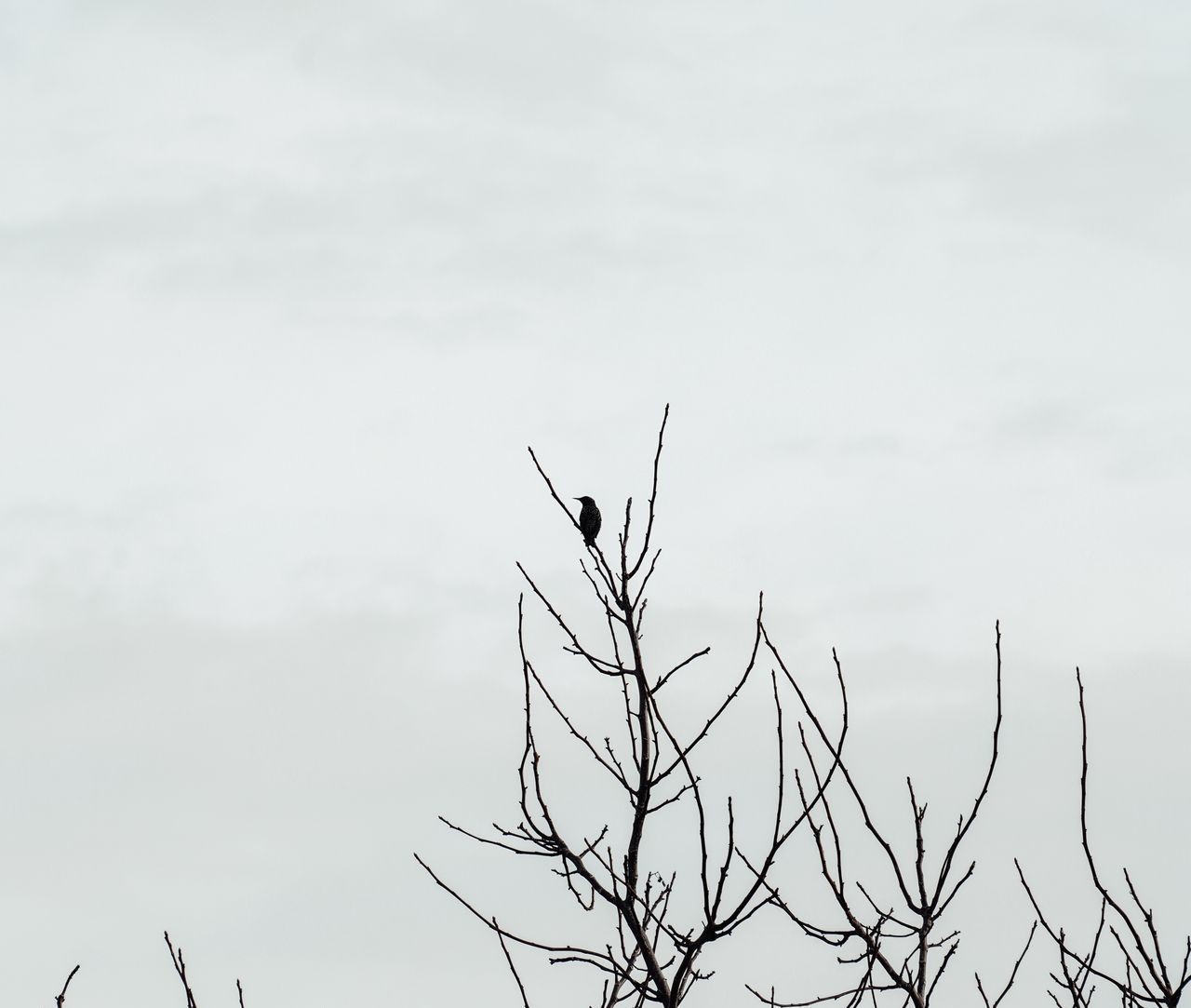
Perhaps that is what being an empty nester really is. Learning to celebrate the life you helped create while finding new meaning in your own. And most importantly learning that even when the nest is empty, the love never leaves.